Thinking about Slurry Sealing Your Pavement? Here's What You Need to Know.
You've got a paved surface – maybe a driveway, a parking lot, or a private road – and it's starting to look a little tired. Cracks are showing, the color's faded, and you know it needs some love before it turns into a major headache. Slurry sealing is often the answer, especially here in Phoenix where our sun and heat can really do a number on asphalt. But what does getting a slurry seal actually involve? Let's break it down so you know exactly what you're getting into.
Understanding the Timeline: It's Not an Overnight Job
A slurry seal isn't just a quick coat of paint; it's a multi-step process that takes time to do right. You're looking at a few distinct phases, and weather plays a big role, especially our intense summer heat. First, there's the initial assessment and bid. A good contractor will come out, look at your pavement, and give you an honest appraisal of its condition and what needs to be done. This isn't just about the slurry; it's about any repairs needed beforehand.
Once you've got a bid and signed a contract, we'll schedule the work. This can be tricky during monsoon season, as you can't apply slurry to wet pavement. We need clear, dry days. The actual application typically involves a few stages:
- Preparation: This is crucial. We're talking cleaning, sweeping, blowing debris, and addressing any existing cracks or potholes. This can take a day or two depending on the size and condition of the area.
- Application: The slurry itself is applied. This is usually done in one or more layers, depending on the product and the pavement's needs.
- Curing: This is where patience comes in. Slurry needs time to cure properly before you can drive or walk on it. In Phoenix, with our dry heat, it often cures faster than in other climates, but you're still looking at 24-48 hours, sometimes longer for heavy traffic areas.
So, from start to finish, you're usually looking at a few days to a week for the entire process, including prep and cure time. Don't expect to drive on it the same afternoon.
What to Expect During the Process
When my crew from Omega Paving shows up, you'll see us get right to work on the prep. We'll be sweeping, blowing, and using specialized equipment to clean the surface. If there are cracks, we'll fill them. If there are potholes, we'll patch them. This isn't optional; it's essential for the slurry to adhere properly and last. You might see us using power washers or air compressors to get everything spotless.
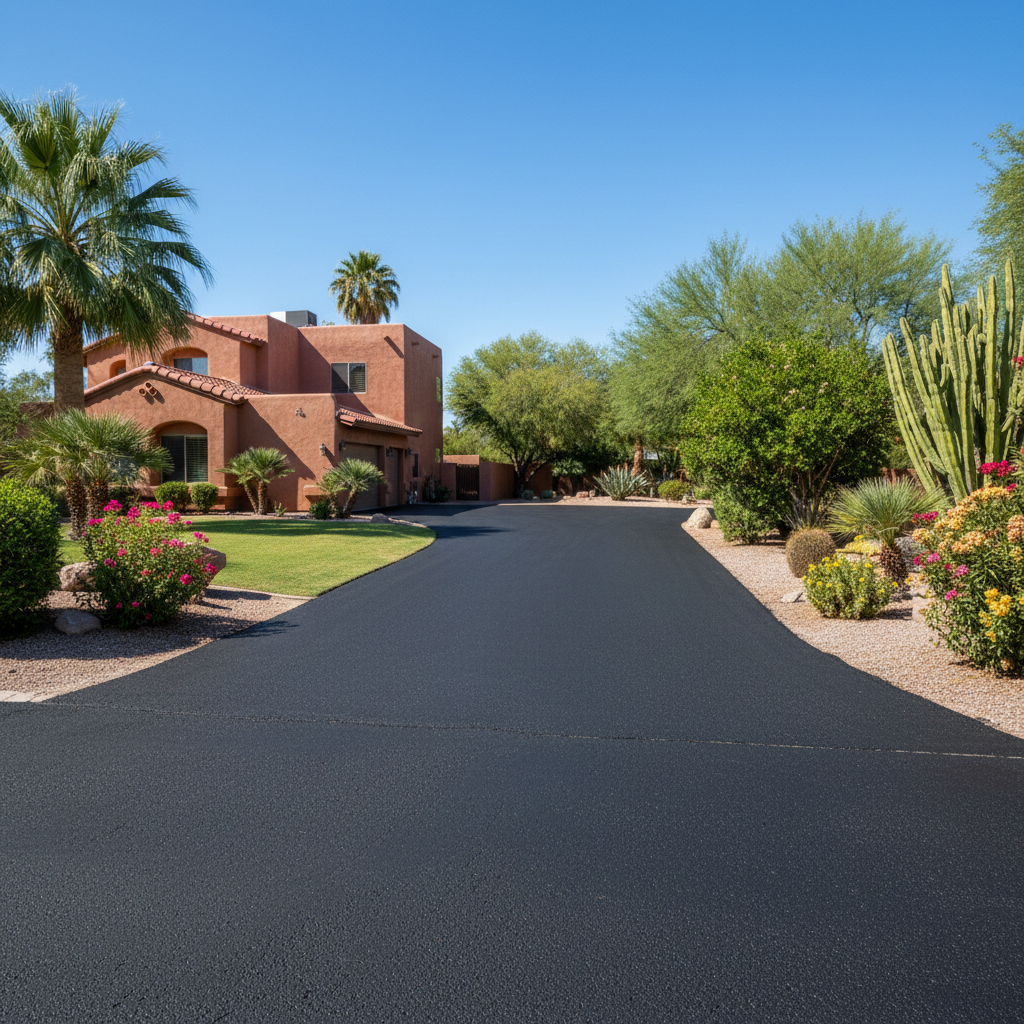
Once the surface is ready, the slurry mixture is applied. It's a thick, black, liquid asphalt emulsion that's mixed with aggregate (small stones), water, and other additives. It goes on wet and dark, and as it dries, it hardens and lightens slightly to a uniform black or dark gray finish. It's going to look a bit messy at first, but trust the process. You'll definitely smell asphalt, so be prepared for that. We'll also put up cones or barrier tape to keep people and vehicles off the fresh slurry. Seriously, stay off it. Driving on uncured slurry can ruin the finish and track material everywhere.
How to Prepare Your Property
Your part in this is pretty straightforward, but important. Here's what you need to do:
- Clear the Area: Move all vehicles, trailers, trash cans, planters, and anything else off the pavement. If it's a commercial lot, make sure your tenants or customers know about the work well in advance and have alternative parking arrangements.
- Turn Off Sprinklers: Make sure any automatic sprinklers that might hit the paved area are turned off for at least 24-48 hours before and after the application. Water can mess up the curing process.
- Inform Neighbors: If the work might affect access to their property or create some noise, give your neighbors a heads-up. It's just good practice.
- Plan for Access: You won't be able to use the paved area for a day or two. If it's your driveway, make sure your cars are parked on the street or somewhere else accessible. If it's your business, plan for temporary closures or rerouted traffic.
Questions to Ask Before Signing a Contract
This is where you protect yourself and ensure you're getting a quality job. Don't be shy about asking these:
- What kind of prep work do you include? Make sure crack filling, sweeping, and cleaning are all part of the base price. You don't want surprises.
- What type of slurry are you using? There are different grades and mixes. Ask about the aggregate size and the binder content. A good contractor will be transparent about their materials.
- How many coats will you apply? Sometimes one coat is enough, but for older, more worn pavement, two coats might be necessary for proper protection and longevity.
- What's the curing time I should expect? Get a clear answer on how long you need to stay off the surface.
- What's your warranty? A reputable company like Omega Paving stands behind their work. Ask about what's covered and for how long.
- Are you licensed and insured? Always, always ask for proof. You don't want uninsured workers on your property.
- Can you provide references? Talk to other clients they've done work for, especially in the Phoenix area.
Getting a slurry seal is a smart investment to extend the life of your pavement, especially with our hot Arizona sun constantly beating down on it. By understanding the process and asking the right questions, you'll ensure a smooth project and a great-looking, long-lasting result. Don't cut corners on this; it's worth doing right the first time.